Water Toxicity vs. Dehydration: How to Keep Your Dog Safe During a Heat Wave
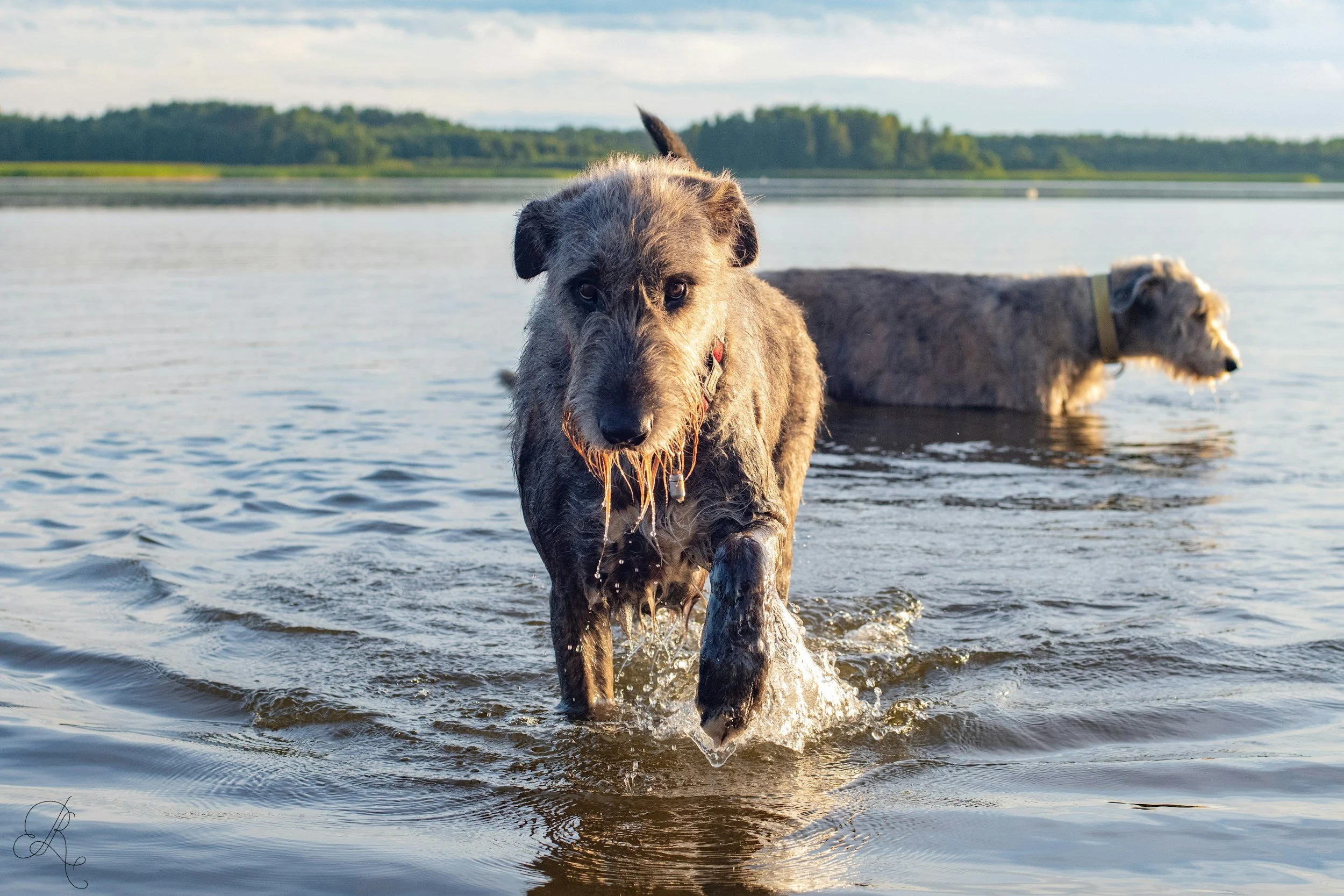
Dog swimming in a Virginia lake during a summer heat wave, a water toxicity risk
As I write this, Virginia is staring down a serious stretch of heat, with daytime temperatures in the high 90s and a heat index climbing into the triple digits. That kind of weather is dangerous for our dogs, and not always in the ways owners expect.
Most people know to watch for dehydration when it gets hot. What far fewer realize is that the opposite problem, taking in too much water, can be just as dangerous. It is called water toxicity, and it sneaks up on well-meaning owners who are simply trying to help their dog cool off.
I’m Laura Pezzulo, a professional dog trainer and the owner of Absolute Angel Dog Training near Lynchburg, Virginia. I have spent over twenty years around dogs, and one thing I always remind my clients of during weather like this is that a heat wave does not mean your dog has to be miserable and cooped up all day. It just means you have to be thoughtful about what you do, and don’t do, with them. Let's walk through both sides of the water problem so you can keep your dog safe and comfortable.
How Dogs Actually Cool Themselves
Here is something a lot of owners do not fully appreciate. Dogs cannot cool down the way we do. They do not sweat through their skin. A dog regulates its body temperature in only two real ways, by panting through the tongue and by sweating a little through the pads of their paws. That is it.
That limited cooling system is why heat affects dogs so quickly. It is also why some dogs are at much higher risk than others.
Short-Snouted Breeds
Short-snouted, or brachycephalic, breeds such as Boston Terriers, French Bulldogs, Pugs, and Bulldogs have a harder time moving air efficiently when they pant. They overheat faster and more severely than longer-snouted dogs. If you have one of these breeds, you have to be especially cautious in this weather.
Senior Dogs
Senior dogs need extra watching, too. As dogs age, their bodies become less efficient at regulating temperature, and they simply cannot bounce back from heat stress the way they did in their younger years. Underlying health issues that are common in older dogs can make matters worse. If you have a senior in the house, assume the heat is harder on them than it looks, and keep them cool, calm, and closely monitored.
Water Toxicity, Also Known as Hyperhydration
This is the one I really want owners to understand, because it comes from a good intention. When it is blazing hot, the instinct is to let the dog play in the river, swim in the lake, or chase the garden hose to cool off. In moderation, water play can be wonderful. But too much water taken in can be life-threatening.
Water toxicity, also called hyperhydration or water intoxication, happens when a dog ingests a large volume of water in a short time, which throws off the balance of sodium in their body. The most common ways this happens are:
Swimming or retrieving for extended periods in a river or lake. Every time a dog grabs a toy from the water, they swallow some of it, and it adds up fast.
Play-biting at a garden hose or sprinkler. That direct stream means the dog is gulping far more water than you would ever guess.
Signs of Water Toxicity
Lethargy
Vomiting
Drooling
Loss of coordination
Pale gums
Dilated pupils
Seizures
Here is an important twist. Small breeds are more susceptible to water toxicity simply because it takes less water to tip their smaller bodies out of balance. A big Labrador and a little terrier are not playing by the same rules at the lake.
If you see any of these signs, treat it as the emergency it is and contact your vet immediately.
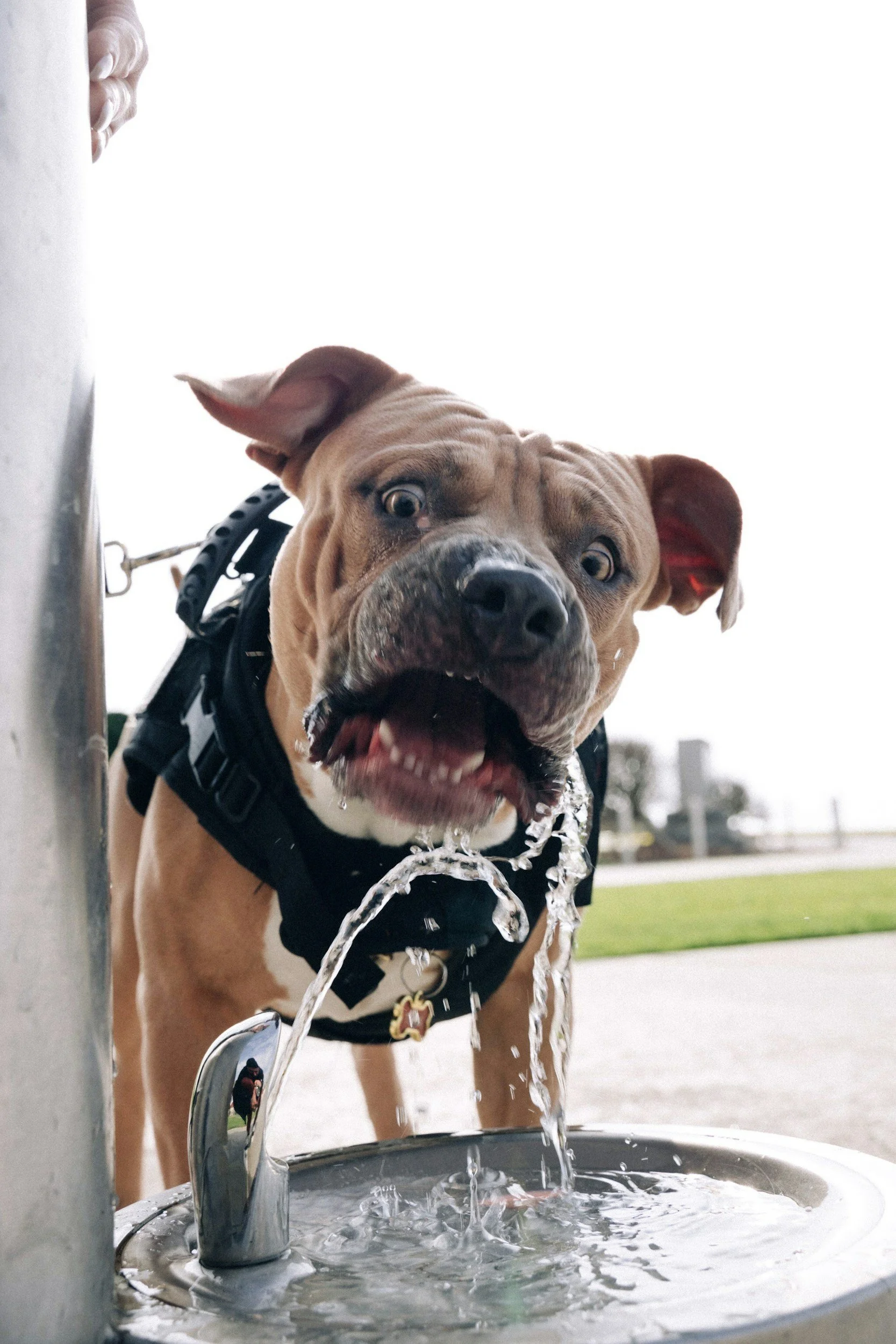
Dog drinking from an outdoor water fountain to stay hydrated in hot weather
Dehydration: The Signs to Watch For
Now for the danger most owners already expect, but still underestimate. Dehydration can come on faster than you would think on a hot day. Here are the signs I tell owners to watch for:
Loss of skin elasticity
Excessive panting
Vomiting or diarrhea
Reduced energy or lethargy
A dry nose
Dry or sticky gums
Two Quick Checks You Can Do at Home
The skin-pinch test is the easiest. Gently pinch the skin between your dog's shoulder blades and let go. In a properly hydrated dog, that skin should snap back into place immediately. If it is slow to retract, that is a red flag.
You can also check the gums. They should be moist, not dry or tacky.
If you suspect your dog is dehydrated, contact your veterinarian right away. Do not wait it out.
How to Prevent It
Make sure fresh water is always available, and consider adding water directly to your dog's regular food to boost their fluid intake during the heat. It is a simple trick that helps, especially for dogs who do not drink as much as they should on their own.
Do Not Cool a Hot Dog Down Too Fast
If you suspect your dog is overheating, your instinct might be to dunk them in ice water. Do not do it. Cooling an overheated dog down too quickly, such as with an ice bath, can actually cause shock or organ damage. Cool them gradually instead, with cool but not ice-cold water, shade, and airflow, and get them to a vet.
The Common Mistake I See Most
If there is one misconception I want every owner to walk away with, it is this. Do not count on your dog to stop playing when they have had enough.
A lot of owners assume that a dog will simply quit when they are too tired or too hot. Many dogs do not, especially medium-to-high drive dogs. If the ball is still flying or the water is still there, a driven dog will keep going well past the point of safety. They do not have an off-switch in the moment. That is not their job to manage.
It is yours. It is up to you to monitor play and end it before it becomes too much, rather than waiting for your dog to tap out, because they may not.
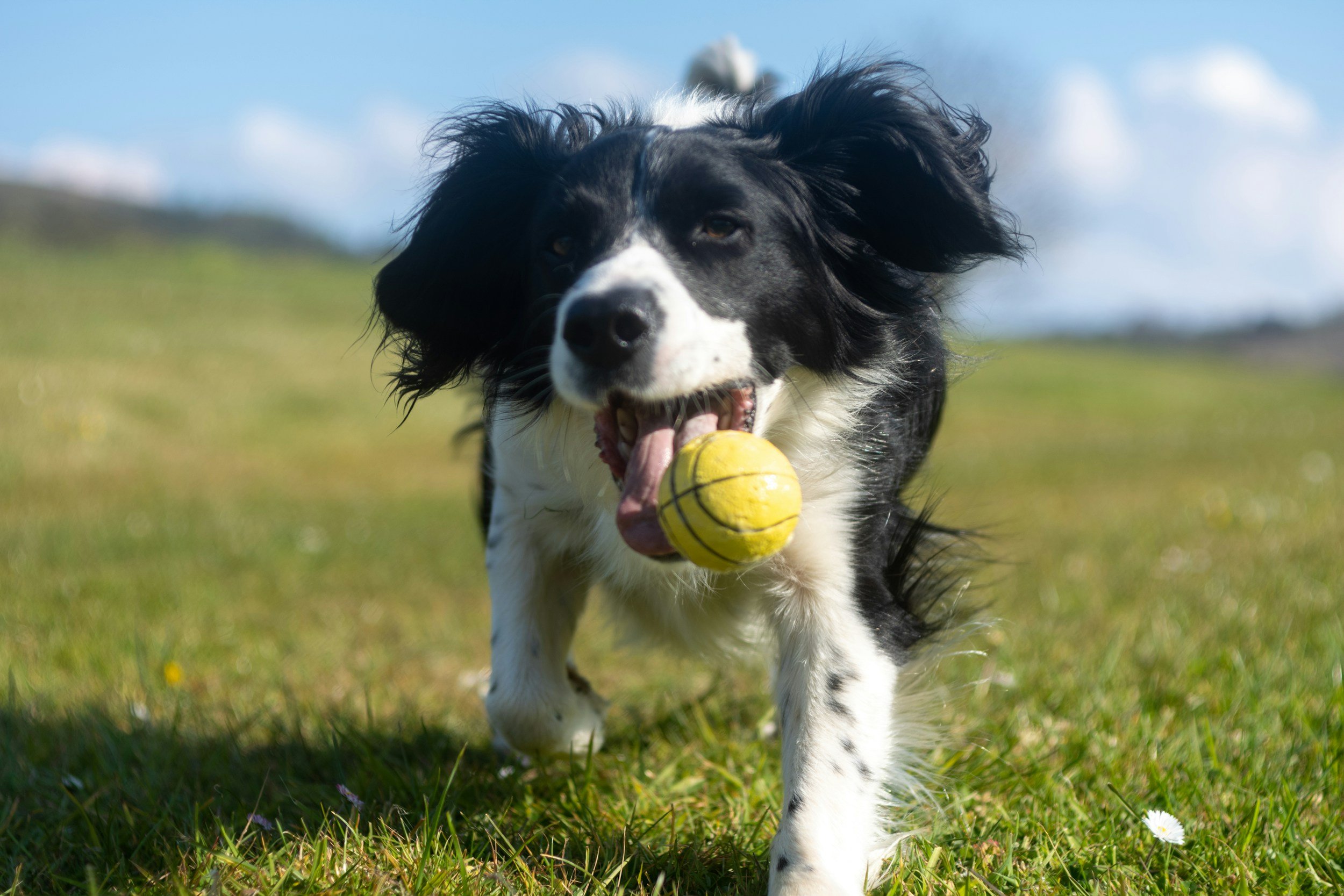
Energetic dog chasing a ball in summer heat, a reminder to monitor play and prevent overheating
What to Do Instead
The good news is that a thoughtful owner has plenty of ways to keep a dog happy and engaged on a brutally hot day. Here is what I recommend:
Use cooling mats for your dog to rest on.
Keep them indoors with AC and a fan, and keep physical activity to a minimum during peak heat.
Play indoor enrichment games that tire the brain instead of the body. A good game of tug, or a find it game where you scatter or hide food around the house for your dog to search out, gives them a real sense of accomplishment without a single minute in the sun.
Make a pupsicle. Take a Kong, stuff it with a mix of your dog's food and other healthy goodies they love, and freeze it. It becomes a long-lasting, cooling lick treat that keeps them busy and content.
Mental work genuinely tires a dog out. A heat wave is the perfect time to lean into it.
Wrapping Up
A heat wave does not have to mean a miserable, cooped-up dog. It just means you have to be mindful, about how long they are out, how much they are drinking, how much water they are taking in while they play, and when to call it a day. Stay thoughtful about what your dog can and cannot safely do, watch for the warning signs on both ends, and you will get through this stretch of heat together just fine.
Want more personalized expert guidance?
Want help building games and routines that keep your dog mentally stimulated and well-behaved year-round, not just during a heat wave? That is exactly what I coach in my private lessons at Absolute Angel Dog Training, right here near Lynchburg, Virginia. Reach out and let's set up a session.
This article is intended as general guidance from a professional dog trainer and is not a substitute for veterinary advice. If you suspect your dog is dehydrated, overheating, or showing signs of water toxicity, contact your veterinarian immediately.